

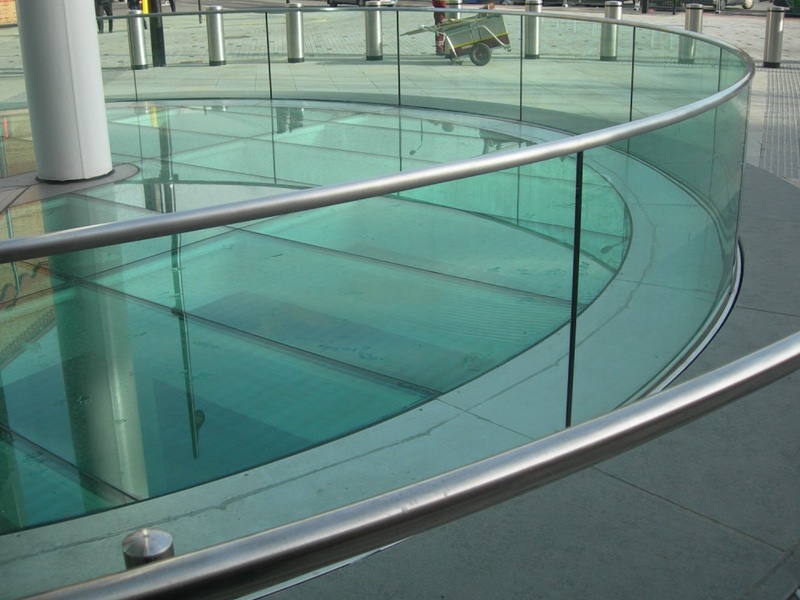
Architectural glass is one of the most versatile and visually striking materials available in modern construction and interior design. Whether used in residential homes, commercial offices, or large-scale public buildings, it serves a dual purpose, functioning as both a structural element and a design feature that elevates the aesthetic quality of any space. From sleek glass partitions in open-plan offices to stunning decorative panels in luxury homes, architectural glass has firmly established itself as a staple of contemporary design.
What Is Architectural Glass?
At its core, architectural glass refers to any glass product that is purposefully incorporated into a building or interior environment to serve a functional or decorative role, or both. Unlike standard window glass, architectural glass is selected and specified with careful attention to design intent, performance requirements, and visual impact.
It can be used as a divider between spaces, as a façade element on the exterior of a building, as internal wall panelling, in skylights, staircase balustrades, shower enclosures, and countless other applications. The key distinction is that it contributes meaningfully to the character and quality of the space it occupies, rather than simply filling a gap in a wall.
The Many Types of Architectural Glass
One of the most appealing aspects of architectural glass is the sheer range of options available. The market offers numerous ready-made varieties, and many products can be customised to meet specific design, shape, colour, or performance requirements. Referencing a GlassCrafters Inc. guide is an excellent starting point for anyone looking to navigate the options and match the right glass type to their project needs.
Laminated Glass
Laminated glass is one of the most widely used types in architectural applications. It is constructed by bonding two or more panes of glass together with an interlayer, typically polyvinyl butyral (PVB), which holds the glass together in the event of breakage. This makes it an outstanding choice for safety-critical installations such as overhead glazing, glass floors, staircase balustrades, and doors.
Beyond its safety credentials, laminated glass is also an effective acoustic barrier, reducing the transmission of sound between spaces. This makes it particularly popular in urban environments or commercial buildings where noise control is a priority. It is also available in a range of tints and finishes, offering design flexibility without compromising on performance.
Toughened (Tempered) Glass
Toughened glass, also known as tempered glass, undergoes a thermal treatment process that dramatically increases its strength compared to standard glass. When it does break, it shatters into small, blunt fragments rather than sharp shards, significantly reducing the risk of injury. This makes it a popular choice for shower screens, glass doors, partitions, and external façades.
Toughened glass can also be combined with other glass types, for instance, toughened laminated glass offers both the strength of tempering and the safety retention of lamination, making it one of the highest-performing options on the market.
Glass Blocks and Glass Bricks
Glass blocks and bricks are a distinctive architectural element that allows light to pass through a solid wall structure. They are used to create internal partitions, exterior walls, feature walls, and even flooring, all while maintaining a flow of natural light through the space.
One of the lesser-known but highly valuable properties of quality architectural glass blocks is their ability to filter ultraviolet (UV) radiation. When placed in areas where direct sunlight enters a building, certain glass types can absorb or deflect up to 99% of harmful UV rays, protecting both the occupants and interior furnishings from sun damage over time.
Decorative and Designer Glass
For those whose primary focus is aesthetics, decorative architectural glass offers an extraordinary range of possibilities. Etched glass, frosted glass, coloured glass, textured glass, and patterned glass are all available, each bringing a unique visual quality to a space.
Frosted and etched varieties are particularly popular in areas where privacy is needed without sacrificing light, such as bathroom windows, office partitions, or entrance screens. Coloured and patterned glass can be used as a bold design statement, adding character and personality to an otherwise neutral interior.
Despite perceptions that decorative glass is more fragile than other types, many decorative options are produced using toughened or laminated bases, meaning beauty and durability are not mutually exclusive.
Insulated Glass Units (IGUs)
Insulated glass units, commonly referred to as double or triple glazing, consist of two or more glass panes separated by a sealed air or gas-filled space. This construction dramatically improves thermal insulation, reducing heat loss in winter and heat gain in summer.
For commercial buildings and energy-conscious homeowners alike, IGUs are an essential consideration. They contribute to lower energy bills, improved indoor comfort, and reduced carbon footprint, all increasingly important factors in modern building design and sustainability planning.
Choosing the Right Architectural Glass for Your Space
With so many options available, selecting the right architectural glass requires a thoughtful approach. The following considerations can help narrow down the choice:
Purpose and function — Is the glass primarily decorative, structural, safety-critical, or thermally efficient? Understanding the primary function will quickly eliminate unsuitable options.
Location and environment — External glazing faces different demands than internal partitions. Sun exposure, wind load, and temperature fluctuation all influence which glass type is most appropriate.
Safety requirements — In areas where breakage poses a risk, such as overhead installations, low-level glazing, or high-traffic zones, toughened or laminated glass should always be specified.
Light and privacy — Consider how much natural light is needed and whether any degree of visual privacy is required. Frosted, tinted, or patterned glass can balance both needs effectively.
Budget — Ready-made options offer cost efficiency, while custom-designed architectural glass, tailored to specific dimensions, colours, or finishes, will typically carry a higher price point but deliver a more bespoke result.
Why Architectural Glass Remains a Design Favourite
Despite the continuous evolution of building materials and design trends, architectural glass has remained consistently popular across decades. Its ability to transform a space, making it feel larger, lighter, and more refined, is unmatched by almost any other material. The interplay between glass and light creates dynamic, ever-changing environments that respond to the time of day, the season, and the weather.
From heritage buildings incorporating ornate stained-glass to cutting-edge contemporary structures wrapped in floor-to-ceiling glazing, architectural glass spans the full breadth of design history and continues to push creative boundaries. Whether the goal is subtle elegance or bold visual impact, the right glass choice can make all the difference.