

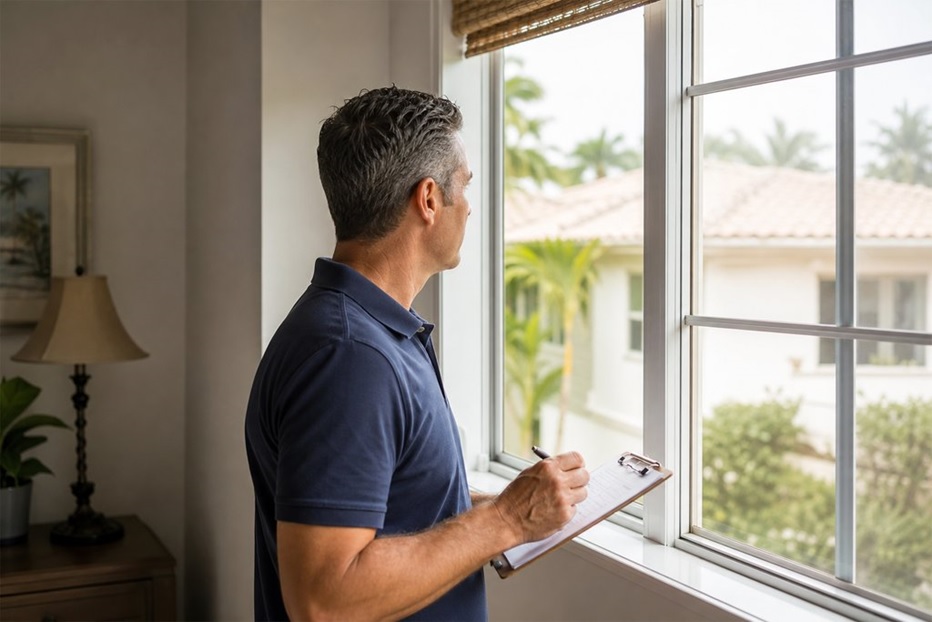
Impact windows and doors on a home
Hurricane season for your first year in an older home can mean looking at every window and door as an unknown. Sure, maybe there’s character and great natural light and a patio that sealed the deal for you, but it’s also those windows and doors that can allow the most damage from wind and rain. Doing a walkthrough room by room can help identify where to focus your time before hurricane season.
Start with the patio doors
The large sliding glass doors are often a good starting point for an inspection. They typically cover more area than a window and sit closer to the ground, making them vulnerable to rain and debris. In addition, older tracks can trap debris, wear unevenly or even let in rainwater in a severe storm.
Pay attention to the frame, rollers, locks, and bottom track. A door that’s difficult to operate in calm weather is probably not something you’d want in a storm. Impact-rated sliding doors may increase the likelihood that the door won’t be damaged by debris, and they can also help provide a better water seal.
Sliding doors can also change how you live in your house.
Having a sturdy lock, better operation and improved glass can give you peace of mind without sacrificing the natural light and access to the outdoors that drew you to the property in the first place.
What about the street-facing windows?
In addition to storms, street-facing windows can also be subject to stray objects from traffic, lawnmowers and other equipment, nearby construction and just the overall noise that accompanies a bustling neighborhood. Older homes might have windows that don’t easily open, cracked panes, worn weatherstripping or frames that aren’t sitting right.
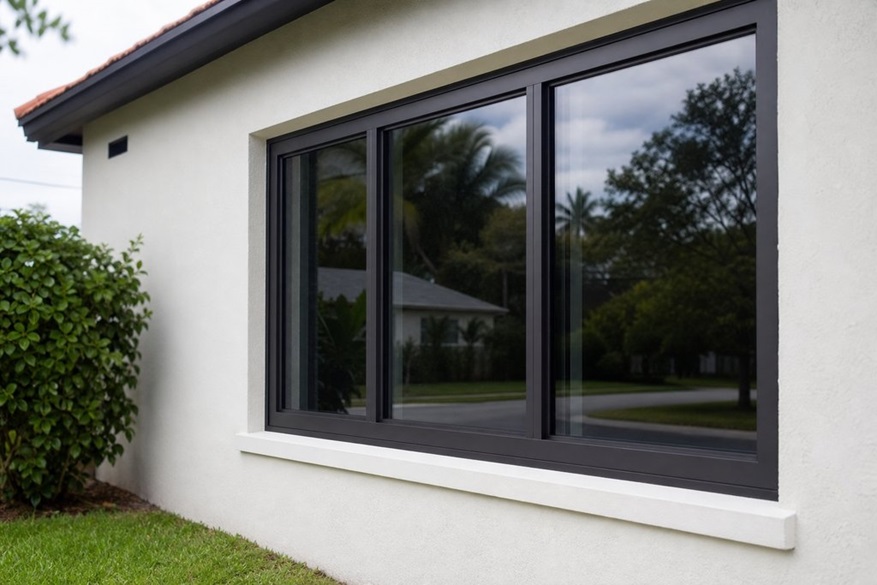
Storm-resistant residential windows
These are the windows that impact windows and doors Miami residents often have installed, which offer real advantages over regular windows. Impact glass is designed to stay intact when struck, preventing wind and rain from entering a home. It also provides additional noise reduction and makes it much more difficult for a criminal to break in. The team at Gaven Constructions works with this kind of home-opening project.
Watch out for:
- Windows that rattle when pressed
- Water stains or peeling paint under the windowsill
- Fogging or condensation between the panes
- Locks that don’t securely fasten
- Windows facing a long stretch of road or driveway
Don’t overlook the bedroom
Bedrooms are easy to forget about because their windows are usually the smallest in the house. However, you’ll notice drafts, noise from the street and inadequate locking mechanisms most readily when you’re in bed. A leaky bedroom window during a storm can result in more than a wet floor. It could also cause problems in the long term with your mold and moisture levels – see guidelines.
However, if you’ve recently had new impact windows and doors installed in your home and they’re operating properly and show no signs of leakage or structural issues, it’s probably not necessary to replace them again.
With older bedroom windows, look for the small gap between the window and the frame. There shouldn’t be any daylight visible when the window is shut. Also make sure the window opens and closes easily, since it may double as an escape route.
Check every garage opening
Make sure to include the garage entry door, side windows and any other exterior doors leading to the garage. While it’s tempting to focus only on the main entryway, the back door and windows can be just as susceptible to heavy rain, and they often have simpler locking mechanisms than the front door.
A poorly fitted side door can be an open channel for water. A broken garage-side window can allow wind pressure into an enclosed space. Be sure to check weatherstripping, hinges, thresholds and deadbolts. Exterior-facing windows in the garage are just as important as those along the front of the house.
Give the work enough lead time
Don’t wait until a storm watch has been issued to start working on replacements. Installation of impact windows and doors takes time for the inspection, measurement, ordering and installation. Plus, older homes may have issues with framing that are only discovered during the actual installation process.
In most cases, you can expect your replacement project to take at least 6 weeks from the date of the first appointment. That may vary depending on the size of your project, so it’s best to consult with the installer for specifics. Beginning the process ahead of hurricane season (https://climate.gov/news-features is surprisingly readable on this) means you won’t have to rush your decision-making or risk dealing with unanticipated problems while you wait.
Grab a notepad and walk through your home, starting with the patio and ending at the garage. Jot down doors that are hard to open, visible water damage, insecure locks and noisy rooms. These details will help you identify the areas that need the most attention when the contractor performs the initial inspection.