

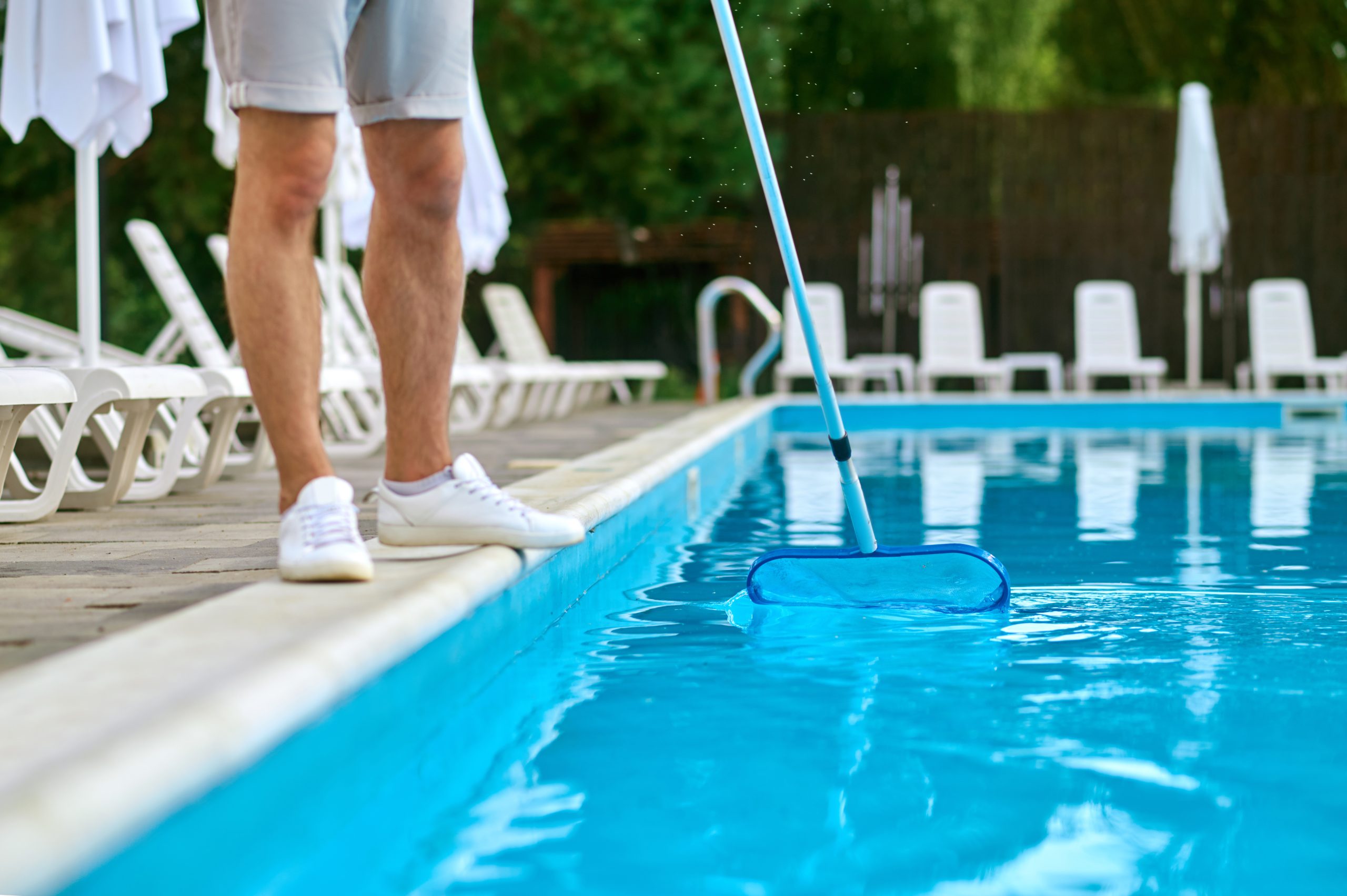
A pool in a hotel, school, apartment complex or leisure facility is rarely used at a steady rate. Quiet periods can be followed by lessons, events or crowded afternoons, placing sudden pressure on filtration and water treatment. Effective commercial pool cleaning therefore depends on a planned operating routine rather than waiting until the water looks cloudy or guests begin to complain.
Commercial care must protect water quality, surfaces, equipment and the wider pool environment while creating clear records of what has been checked and when.
Bather Load Changes the Cleaning Requirement
Every swimmer introduces material into the water, including sweat, cosmetics and fine debris. As bather numbers increase, disinfectant demand rises and filters work harder.
A quiet residential pool and a busy leisure facility cannot follow the same schedule. Testing and cleaning frequency should reflect opening hours, peak sessions and the type of use.
Children’s lessons and group exercise can create concentrated demand because many users enter the pool within a short period. Special events may require additional checks before and after the session.
The maintenance plan should include opening inspections, checks during operation and closing procedures.
Records Reveal Problems Before Guests See Them
Clear water does not guarantee correct balance.
Water testing should be completed using reliable equipment and recorded with the date, time and name of the person responsible. These logs help operators identify repeated patterns, such as readings drifting after a busy afternoon.
Results outside the operating range need a defined response. Staff should know when to retest, adjust treatment, restrict access or escalate the issue.
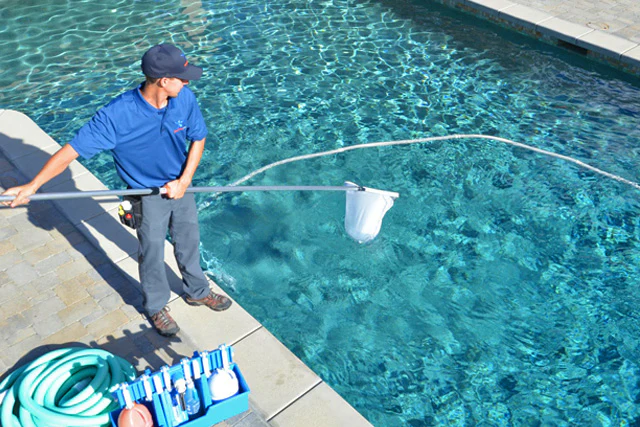
Test kits and sensors also require maintenance. Expired reagents or poorly calibrated equipment can produce misleading results and give false confidence.
Good records support accountability and make it easier to investigate when a problem develops.
Cleaning Extends Beyond the Water
Pool edges, steps, ladders, changing areas and drainage channels all affect safety and hygiene.
Waterline deposits should be removed before they harden. Skimmer baskets and strainers need regular emptying so that circulation remains effective.
Surrounding surfaces must be kept free from slippery residue. Cleaning products should be suitable for the material and should not introduce unwanted chemicals into the pool.
Plant rooms deserve the same attention. Pumps, filters, storage areas and chemical containers should remain organised and accessible.
A pool can have correctly treated water while still feeling poorly maintained if the surrounding environment is neglected.
Preventive Maintenance Protects Opening Hours
Unexpected closure affects customers, reputation and revenue. Pressure readings, flow rates, pump noise and chemical usage can all indicate developing problems. A gradual increase in chemical demand may signal contamination or circulation issues, while changing filter pressure may point to blockage.
Scheduled inspection allows worn parts to be replaced before failure. It also helps the operator plan work during quieter periods instead of responding during peak use.
Commercial maintenance is successful when guests barely notice it. The water remains inviting, the surroundings feel cared for and the facility opens as expected. That consistency comes from routine testing, detailed cleaning and early action rather than emergency treatment after standards have already slipped.