

Owning a swimming pool in Australia comes with significant responsibilities, especially regarding safety. Ensuring your pool area meets strict government standards is essential for preventing accidents and protecting your family and guests. Understanding the requirements can feel complex, but it’s a vital part of being a responsible pool owner.
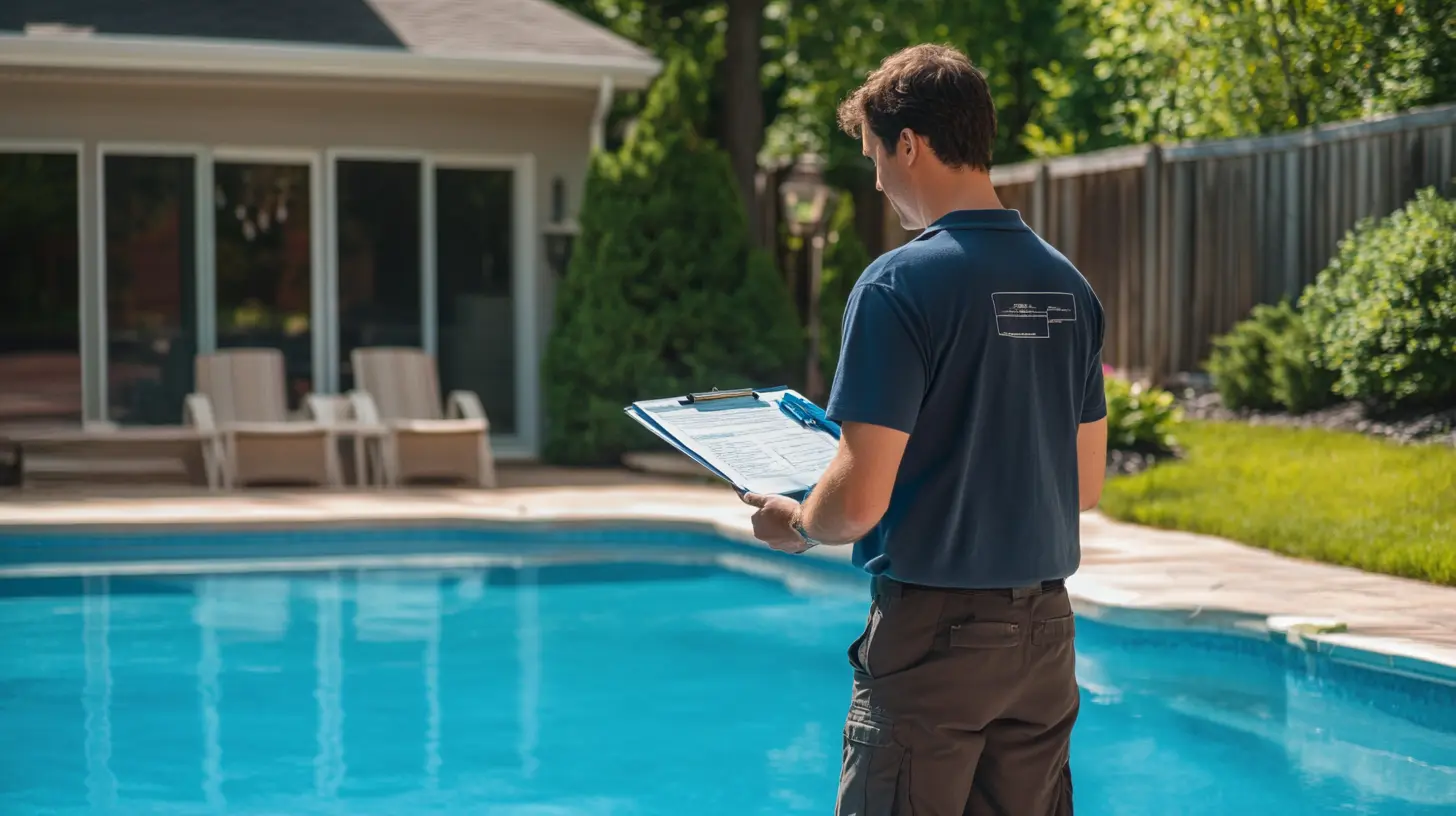
State and territory governments across Australia enforce specific laws for pool barriers and safety features. These regulations are designed to prevent young children from gaining unsupervised access to the water. To confirm your pool meets these standards, you might need the help of professional pool certifiers Sydney or in your local area. These experts inspect your pool enclosure and provide the necessary certification to show it complies with the law.
The process involves a thorough check of your pool fence, gates, and the surrounding area. Non-compliance can result in substantial fines and, more importantly, a dangerous environment. Regular maintenance and checks are the best way to ensure your pool remains a safe place for everyone to enjoy.
Understanding Pool Fencing Rules
The foundation of pool safety is a compliant barrier. Whether you’re reviewing local regulations or exploring options such as Pool Enclosures Melbourne FL, a secure enclosure can help enhance safety around the pool area. Pool fences must be at least 1.2 metres high. The vertical bars should be close enough together to prevent a child from squeezing through, typically with gaps no wider than 100 millimetres. The gap at the bottom of the fence should also be no more than 100 millimetres from the ground.
Gates are a frequent point of failure in pool safety inspections. They must be self-closing and self-latching from any open position. The latch mechanism needs to be at least 1.5 metres above the ground to keep it out of the reach of small children. It’s important to check your gates regularly to ensure they are always in good working order.
The Importance of a Resuscitation Chart
A CPR chart is another mandatory safety item. This sign must be displayed prominently within the pool area and be in good condition, so it is readable from a distance of three metres. The chart provides emergency instructions on performing cardiopulmonary resuscitation. Having this visual guide can save precious time in an emergency.
Removing Climbable Objects
Another common issue is the presence of objects near the pool fence that a child could use to climb over. These can include anything from pot plants and outdoor furniture to BBQs and tree branches. You must maintain a “non-climbable zone” of 900 millimetres around the outside of your pool barrier. Regularly clearing this zone is a simple yet effective way to improve safety.
Keeping your pool compliant is an ongoing task. By understanding these basic requirements and conducting regular checks, you can create a secure environment and have peace of mind.