

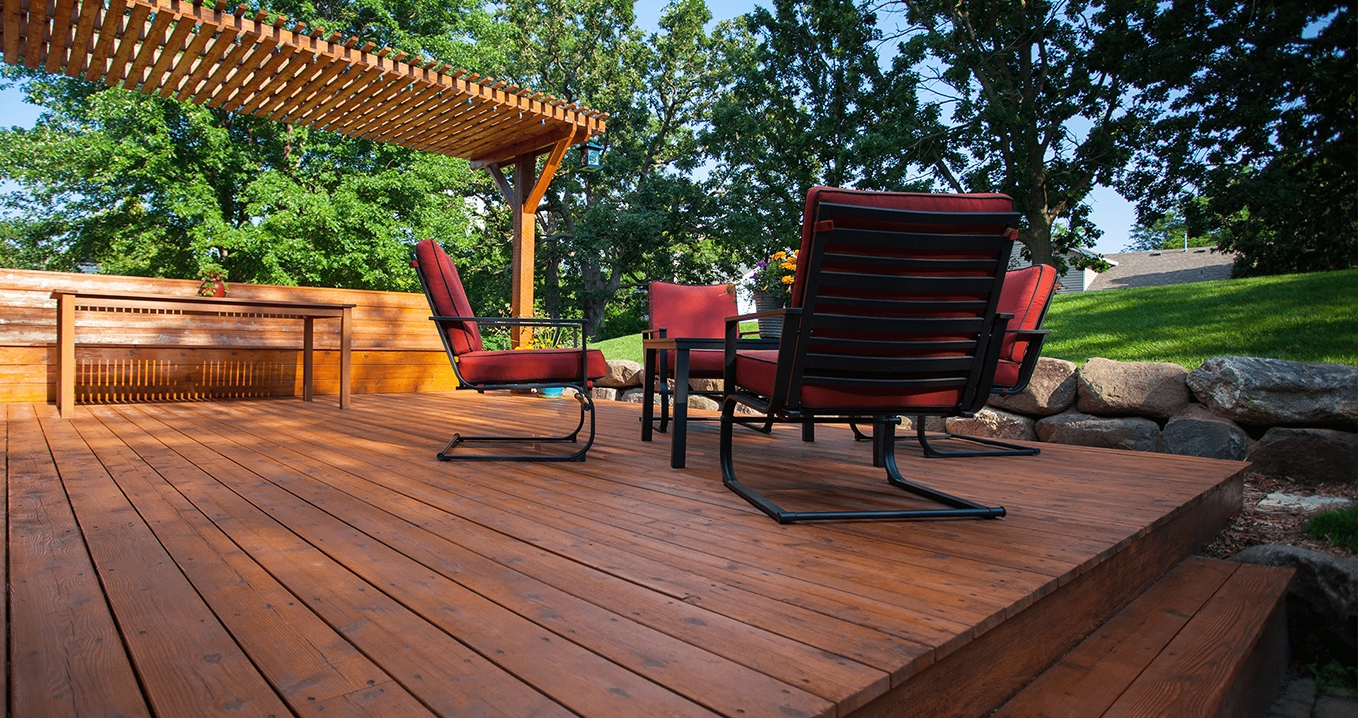
Outdoor decks carry a quiet responsibility. They are there for everyday life, weekend parties, and even unnoticed little breaks. Slowly, however, nature, people, and time all together become the cause of such showing. Planks lose color, the top layer becomes dry, and wood that used to be very strong may now start to get weak. Homeowners often notice these changes slowly, then all at once. Timber that has been well-treated and maintained can still show signs of fatigue, even when it may still be in good condition, making the issue of maintenance very urgent.
Wood is indeed a rather demanding and temperamental material and is very prone to earlier aging if not properly treated. Besides water, excessive sunlight, and heat during summer and winter are the major factors affecting wood’s resilience and performance throughout the year. In many neighborhoods, homeowners turn to professional support, such as staining services houston, when they realize surface fixes no longer hold. Good staining provides more than just an aesthetic improvement. It balances the wood out and saves it from serious damage that would later require an expensive repair.
Understanding how wood breaks down outdoors
Wood is long-lasting, but nature’s forces will not let it survive forever.. Exposure builds stress inside the boards long before cracks appear.
- Sunlight pulls moisture out of the wood fibers
• Rain and humidity force moisture back in unevenly
• Temperature shifts cause expansion and contraction
• Foot traffic wears away surface protection
Over time, this cycle weakens the structure from the outside in.
Why staining works better than surface coatings
Many homeowners confuse paint and stain. The difference matters when longevity is the goal.
- Stain penetrates the wood instead of sitting on top
• It allows the wood to breathe naturally
• It reduces peeling and flaking over time
• It highlights natural grain rather than hiding it
This deeper protection helps the deck age more evenly.
The value of professional preparation
Staining success depends heavily on preparation. This step is often rushed in do-it-yourself projects.
- Deep cleaning removes embedded dirt and mildew
• Sanding opens the wood surface for absorption
• Moisture testing ensures proper drying conditions
• Repairs are addressed before sealing begins
Professionals follow a sequence that supports long-term results, not just a fresh look.
Choosing the right stain type
Not all stains perform the same. Selection depends on deck age, wood type, and exposure.
- Transparent stains enhance natural grain
• Semi-transparent stains balance color and protection
• Solid stains offer stronger coverage for older wood
• Oil-based options penetrate deeper than water-based ones
Matching stain type to deck condition avoids premature failure.
Long-term cost savings are often overlooked
Professional staining may feel like an added expense at first. Over time, it often reduces overall maintenance costs.
- Fewer board replacements
• Less frequent reapplication cycles
• Lower risk of moisture-related damage
• Improved resale appeal
Preventive care tends to cost less than reactive repairs.
Seasonal timing matters more than people think
Weather conditions play a major role in stain performance. Timing is not flexible.
- Moderate temperatures allow proper curing
• Low humidity improves absorption
• Dry forecasts prevent wash-off issues
• Avoiding direct harsh sun ensures an even finish
Professionals schedule projects around these factors for consistent results.
As decks age, homeowners begin weighing repair against replacement. In many cases, professional staining extends usable life by years. Working with experienced providers, such as staining services houston allows homeowners to protect their investment without guesswork. The right approach focuses on preservation, not shortcuts, keeping outdoor spaces functional and visually grounded.
Deck care works best when viewed as long-term protection rather than a cosmetic touch-up. Professional staining supports the wood beneath the surface, slows natural wear, and keeps outdoor spaces reliable through changing seasons. When done correctly, it restores confidence in the structure and brings quiet satisfaction back to everyday use.