

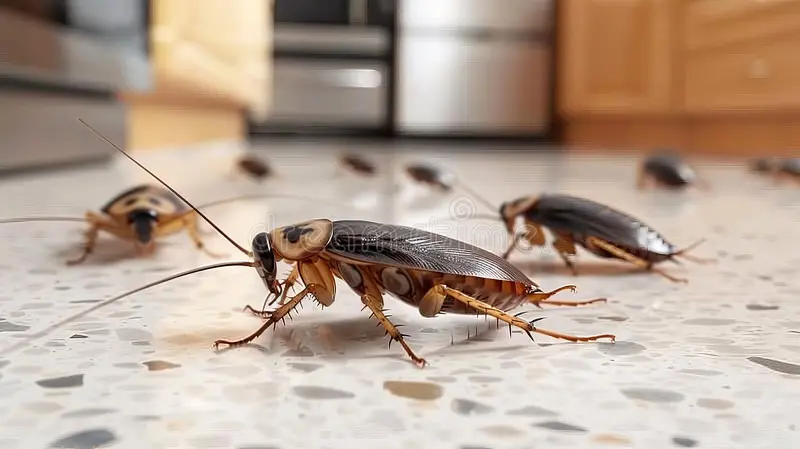
A clean and well-organized kitchen is essential for maintaining a healthy home environment. Unfortunately, kitchens also attract pests because they provide easy access to food, moisture, and shelter. Insects such as ants, cockroaches, fruit flies, and pantry moths thrive in spaces where crumbs, spills, and unsealed containers are present.
Preventing pests is far easier than eliminating an infestation after it begins. With consistent habits and smart storage strategies, homeowners can create a kitchen environment that discourages insects from entering or staying. This guide explains practical and reliable prevention methods that help keep kitchens pest free throughout the year.
Why Kitchens Attract Household Pests
Understanding why pests enter kitchens helps homeowners address the problem effectively.
Common reasons pests are drawn to kitchens include:
- Accessible food crumbs and spills
- Improperly sealed storage containers
- Moisture under sinks or appliances
- Warm indoor temperatures
- Hidden nesting spaces inside cabinets
Eliminating these attractants significantly reduces pest activity.
Consistent prevention habits create a strong defense against unwanted insects.
Keep Kitchen Surfaces Clean Every Day
Routine cleaning is one of the most effective pest prevention strategies. Even small food particles can attract insects quickly.
Daily cleaning tasks should include:
- Wiping countertops after meal preparation
- Cleaning stovetops after cooking
- Removing crumbs from tables
- Drying wet areas near sinks
Maintaining clean surfaces removes the primary food sources that pests rely on.
Clean kitchens naturally discourage insect activity.
Store Food in Airtight Containers
Unsealed packaging is one of the biggest reasons pests enter kitchens. Pantry insects easily chew through cardboard and thin plastic packaging.
Switching to airtight containers helps protect stored food.
Recommended storage items include:
- Glass jars with sealed lids
- BPA-free plastic containers
- Stainless steel storage containers
Store items such as flour, rice, cereal, and sugar in sealed containers to prevent contamination.
Organized storage improves both hygiene and accessibility.
Take Out Trash Frequently
Kitchen garbage provides strong odors that attract insects quickly.
Prevent pest activity by:
- Removing trash daily
- Using sealed trash bins
- Cleaning garbage containers regularly
- Avoiding food residue buildup inside bins
Keeping trash areas clean reduces pest attraction significantly.
Even small amounts of waste can invite unwanted insects indoors.
Eliminate Moisture Sources Under Sinks
Moist environments support insect survival and nesting behavior. Areas beneath sinks often remain unnoticed for long periods.
Check regularly for:
- Pipe leaks
- Damp cabinet flooring
- Condensation buildup
- Mold growth signs
Dry environments discourage pests from settling in hidden areas.
Routine inspection helps prevent larger problems later.
Clean Kitchen Floors Thoroughly
Kitchen floors collect crumbs that may not be visible at first glance.
Regular floor cleaning should include:
- Sweeping daily
- Mopping weekly
- Cleaning corners carefully
- Moving small appliances occasionally
Pay special attention to areas beneath refrigerators and stoves.
Hidden crumbs often attract insects unnoticed.
Seal Entry Points Around the Kitchen
Small gaps around doors, windows, and cabinets allow insects to enter easily.
Common entry points include:
- Wall cracks
- Window edges
- Cabinet openings
- Floor gaps near baseboards
Use sealing materials such as caulk to close these openings.
Blocking entry points reduces the chances of pests entering your kitchen.
Prevention at the structural level strengthens long-term protection.
Keep Pantry Shelves Organized
Pantry clutter creates ideal hiding spots for insects. Organized storage improves visibility and early detection of pest activity.
Maintain pantry organization by:
- Grouping similar items together
- Checking expiration dates regularly
- Rotating older food items forward
- Cleaning shelves monthly
Removing expired products prevents pest attraction.
Structured pantry storage supports better kitchen hygiene.
Avoid Leaving Dirty Dishes Overnight
Dirty dishes left in sinks attract insects quickly.
Prevent this by:
- Washing dishes after meals
- Rinsing utensils immediately
- Keeping sinks dry overnight
- Cleaning dish racks regularly
A clean sink area significantly reduces pest activity.
Small routine habits create strong prevention results.
Store Fruits Properly to Prevent Fruit Flies
Fruit flies are among the most common kitchen pests. They are attracted to ripening produce left on countertops.
Reduce fruit fly activity by:
- Refrigerating ripe fruits
- Washing produce before storage
- Removing overripe items quickly
- Keeping fruit bowls clean
Proper produce handling limits breeding opportunities for insects.
Maintaining freshness supports both hygiene and food quality.
Clean Behind Kitchen Appliances Regularly
Hidden areas behind appliances often collect grease and crumbs.
Focus cleaning efforts on:
- Behind refrigerators
- Under stoves
- Around dishwashers
- Behind microwaves
These locations are frequently overlooked but attract pests quickly.
Regular deep cleaning reduces hidden food sources.
Maintain Proper Ventilation in the Kitchen
Ventilation helps reduce humidity levels that support pest survival.
Improve airflow by:
- Using exhaust fans during cooking
- Opening windows when possible
- Keeping ventilation filters clean
Lower humidity makes kitchens less appealing to insects.
Fresh air circulation improves overall kitchen comfort.
Inspect Grocery Items Before Storage
Sometimes pests enter homes through packaged food products.
Check grocery items for:
- Torn packaging
- Unusual powder residue
- Small insects inside containers
Store inspected items in sealed containers immediately after purchase.
Early detection prevents pantry infestations.
Simple inspection habits reduce long-term problems.
Use Natural Pest Deterrents When Necessary
Natural deterrents help discourage insects without introducing strong chemicals into the kitchen environment.
Effective natural deterrents include:
- Bay leaves inside pantry shelves
- Clove sachets near storage areas
- Vinegar cleaning solutions
- Lemon-based surface cleaners
These methods help maintain freshness while discouraging pests.
Natural solutions support safer indoor environments.
Keep Pet Food Properly Stored
Pet food attracts insects just like human food.
Prevent pest access by:
- Storing pet food in sealed containers
- Cleaning feeding areas daily
- Avoiding overnight exposure of pet food bowls
Managing pet feeding areas supports overall kitchen cleanliness.
Small adjustments prevent large pest problems.
Monitor Seasonal Changes That Increase Pest Activity
Pest activity often increases during certain seasons.
Common seasonal triggers include:
- Warmer temperatures
- Increased humidity levels
- Rainy weather conditions
Adjust cleaning routines during high-risk periods to maintain protection.
Seasonal awareness strengthens prevention strategies.
Consistency throughout the year ensures better results.
Maintain a Regular Kitchen Cleaning Schedule
Consistency is the most important factor in preventing pests.
Recommended routine schedule:
Daily
- Wipe counters
- Wash dishes
- Sweep floors
- Empty trash
Weekly
- Mop floors
- Clean pantry shelves lightly
- Inspect storage containers
- Wipe appliance surfaces
Monthly
- Deep clean behind appliances
- Inspect under sinks
- Check cabinet corners
- Clean ventilation filters
Routine maintenance prevents pest-friendly environments from developing.
Long-term consistency keeps kitchens comfortable and hygienic.
Long-Term Benefits of Preventing Kitchen Pests
Preventing pests improves both household hygiene and peace of mind.
Long-term advantages include:
- Reduced contamination risks
- Improved indoor cleanliness
- Better food safety conditions
- Lower pest control costs
- Healthier living environments
Simple prevention strategies protect kitchens more effectively than reactive treatments.
Proactive maintenance creates lasting protection.
Frequently Asked Questions
How do ants usually enter kitchen spaces
Ants typically enter through tiny cracks near windows, doors, plumbing openings, and baseboards while searching for food and water sources.
Can scented candles help keep kitchen bugs away
Some scented candles containing natural oils may discourage insects temporarily, but they should not replace proper sanitation practices.
How often should pantry items be checked for pests
Pantry inspections should be done at least once every month to ensure early detection of contamination or packaging damage.
Are cardboard food packages safe for long-term pantry storage
Cardboard packaging is not ideal for long-term storage because insects can easily enter through thin materials.
Does keeping lights on at night prevent kitchen pests
Leaving lights on does not prevent pests and may attract certain insects. Cleanliness remains the most effective prevention method.
Can kitchen drains attract insects
Yes. Food residue and moisture inside drains can attract insects if drains are not cleaned regularly.
When should professional pest control services be considered
Professional assistance should be considered if repeated pest activity continues despite consistent prevention and cleaning efforts.