

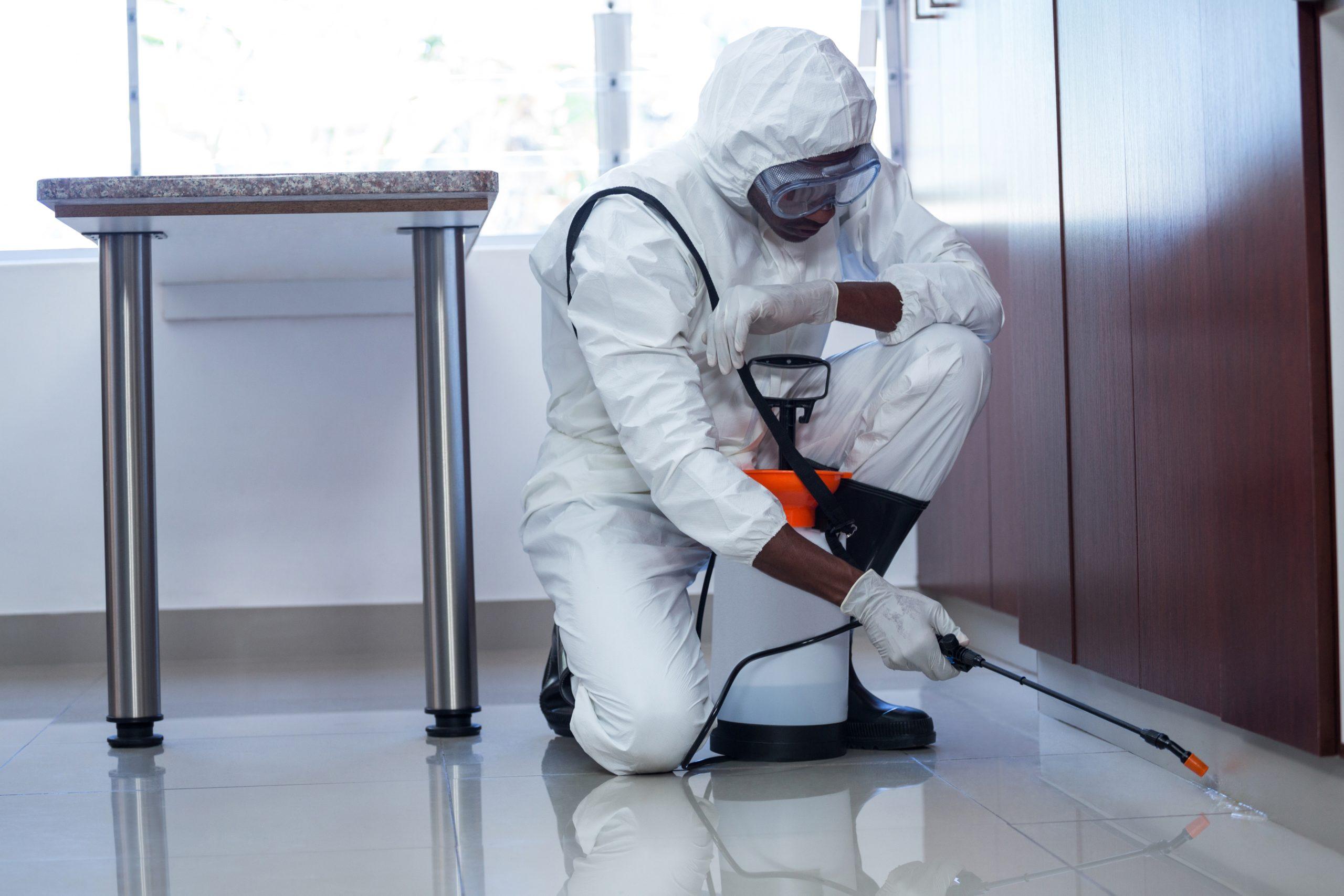
Pest problems can quickly disrupt comfort, hygiene, and safety inside a home. While many homeowners attempt to handle infestations on their own, certain common mistakes often make the situation worse instead of better. Improper pest control strategies can spread infestations, increase health risks, and allow pests to return repeatedly.
Understanding what not to do is just as important as knowing the correct prevention methods. With the right awareness and consistent habits, homeowners can avoid costly errors and maintain a healthier living environment.
This guide explains the most frequent pest control mistakes and how to prevent them effectively.
Ignoring Early Warning Signs of Pest Activity
One of the most common mistakes homeowners make is waiting too long to respond to pest activity. Small signs often indicate the beginning of a larger problem.
Early warning indicators may include:
- Small droppings near cabinets
- Unusual scratching sounds inside walls
- Damaged food packaging
- Grease marks along baseboards
- Visible insect movement near sinks
Ignoring these signs allows pests to multiply quickly.
Early action significantly reduces infestation severity and treatment difficulty.
Relying Only on Spray Products
Many people assume that store-bought sprays alone can solve pest problems. While sprays may eliminate visible insects temporarily, they rarely address the source of the infestation.
Limitations of spray-only solutions include:
- Killing only exposed pests
- Leaving hidden nests untouched
- Allowing reproduction cycles to continue
- Encouraging pests to relocate deeper into walls
Sprays should support a broader pest management strategy rather than replace it.
Long-term solutions require identifying entry points and removing attractants.
Using Too Much Pesticide Indoors
Overusing pesticides can create health risks without improving results.
Excessive pesticide use may:
- Increase indoor air contamination
- Harm pets and children
- Trigger respiratory irritation
- Lead to pesticide resistance in insects
Following label instructions carefully improves safety and effectiveness.
More product does not always mean better results.
Leaving Food Sources Accessible
Accessible food is one of the strongest attractants for pests.
Common mistakes include:
- Leaving snacks uncovered on countertops
- Storing dry goods in original packaging
- Allowing crumbs to accumulate under appliances
- Keeping pet food exposed overnight
Removing food sources is one of the most effective pest prevention steps.
Proper storage significantly reduces infestation risks.
Ignoring Moisture Problems Around the Home
Moisture attracts many pests including cockroaches, ants, and silverfish.
Common moisture-related mistakes include:
- Ignoring leaking pipes
- Leaving standing water near sinks
- Allowing condensation buildup
- Skipping ventilation improvements
Dry environments discourage pests from nesting indoors.
Routine inspections help detect moisture problems early.
Failing to Seal Entry Points
Many pests enter through small openings that remain unnoticed.
Common entry areas include:
- Window edges
- Door gaps
- Utility pipe openings
- Foundation cracks
Leaving these areas unsealed allows repeated pest entry even after treatment.
Sealing access points improves long-term prevention success.
Keeping Clutter That Creates Pest Hiding Spots
Clutter provides shelter and nesting areas for insects and rodents.
Problem areas often include:
- Storage boxes in basements
- Overcrowded closets
- Unused cardboard packaging
- Stacked newspapers or paper bags
Reducing clutter removes safe spaces for pests to hide and reproduce.
Organized storage supports more effective pest control.
Misidentifying the Type of Pest
Different pests require different treatment approaches. Applying the wrong solution can worsen the infestation.
Examples include:
- Treating ants like cockroaches
- Using general sprays for termites
- Ignoring rodent nesting behavior
Correct identification improves treatment effectiveness.
Understanding pest behavior helps target solutions properly.
Cleaning Too Soon After Applying Pest Treatments
Some pest control products require time to remain effective.
Cleaning treated areas immediately may:
- Remove protective barriers
- Reduce product effectiveness
- Allow pests to return quickly
Following recommended waiting periods ensures better treatment performance.
Patience improves long-term results.
Skipping Regular Cleaning Behind Appliances
Hidden food debris often accumulates behind kitchen appliances.
Common neglected areas include:
- Behind refrigerators
- Under stoves
- Around dishwashers
- Beneath cabinets
Skipping these areas allows pests to find hidden food sources.
Regular deep cleaning improves prevention outcomes.
Using Outdoor Pest Control Products Indoors
Outdoor pest control products are not designed for indoor environments.
Using them inside may:
- Create safety hazards
- Reduce effectiveness
- Increase chemical exposure risks
Always choose products approved for indoor use.
Reading product instructions carefully supports safe application.
Blocking Pest Exit Points Instead of Entry Points
Sealing exit routes without addressing entry points can trap pests inside walls.
This mistake may lead to:
- Increased indoor activity
- Hidden nesting expansion
- More difficult removal later
Identifying primary entry locations improves treatment accuracy.
Targeting access points prevents future infestations.
Ignoring Seasonal Pest Behavior Patterns
Pest activity changes throughout the year. Failing to adjust prevention strategies can increase infestation risk.
Examples include:
- Ant activity increasing during warmer months
- Rodents seeking indoor shelter during colder seasons
- Moisture-related pests appearing during humid weather
Seasonal awareness helps strengthen prevention routines.
Adjusting habits improves year-round protection.
Attempting to Solve Large Infestations Alone
Small pest problems may be manageable independently, but large infestations often require professional support.
Warning signs of serious infestations include:
- Frequent sightings during daylight hours
- Strong odors from hidden areas
- Repeated pest return after treatment
- Visible structural damage
Professional intervention prevents infestations from spreading further.
Timely assistance protects both property and health.
Ignoring Outdoor Areas That Influence Indoor Pest Problems
Outdoor conditions often affect indoor pest activity.
Common outdoor mistakes include:
- Allowing vegetation to touch exterior walls
- Storing firewood near entrances
- Leaving standing water around foundations
- Ignoring damaged exterior seals
Maintaining exterior areas strengthens indoor pest prevention efforts.
Outdoor maintenance plays a critical role in overall protection.
Storing Food in Cardboard Packaging Long Term
Cardboard packaging provides easy access for pantry pests.
Common vulnerable items include:
- Flour
- Rice
- Cereal
- Pasta
Transferring these items into sealed containers improves protection.
Proper storage habits prevent pantry infestations.
Overlooking Garbage Storage Practices
Improper garbage handling increases pest attraction significantly.
Common mistakes include:
- Using open trash bins
- Delaying trash removal
- Skipping bin cleaning routines
- Storing garbage near entry points
Managing waste properly reduces pest interest in indoor spaces.
Consistent waste habits support cleaner environments.
Expecting Immediate Results from Every Treatment Method
Effective pest control often requires time and consistency.
Expecting instant results may lead homeowners to:
- Apply excessive chemicals
- Change treatments too quickly
- Skip preventive maintenance steps
Allowing treatments time to work improves success rates.
Consistency produces better long-term outcomes.
Long-Term Benefits of Avoiding Pest Control Mistakes
Avoiding common pest control mistakes improves both safety and effectiveness.
Homeowners often experience:
- Fewer recurring infestations
- Reduced chemical exposure
- Lower maintenance costs
- Improved indoor hygiene
- Better structural protection
Preventive awareness strengthens household pest management strategies.
Careful planning supports healthier living environments.
Frequently Asked Questions
How can incorrect pest control methods increase infestation levels
Incorrect treatments may scatter pests into hidden areas where they reproduce faster and become harder to eliminate.
Why do pests sometimes return after treatment
Pests often return when entry points remain open or food and moisture sources are still available.
Can mixing multiple pest control products improve effectiveness
Mixing products without guidance may reduce effectiveness and increase safety risks.
Are natural pest control methods always safer than chemical treatments
Natural methods can be safer in some situations, but they still require proper application to remain effective.
How often should homes be inspected for pest activity
Routine inspections every few months help detect early warning signs before infestations grow larger.
Do clean homes still experience pest problems
Yes. Even clean homes can experience pest activity if structural gaps or moisture sources exist.
What role does proper storage play in pest prevention
Proper storage removes food access points and reduces nesting opportunities, making environments less attractive to pests.