

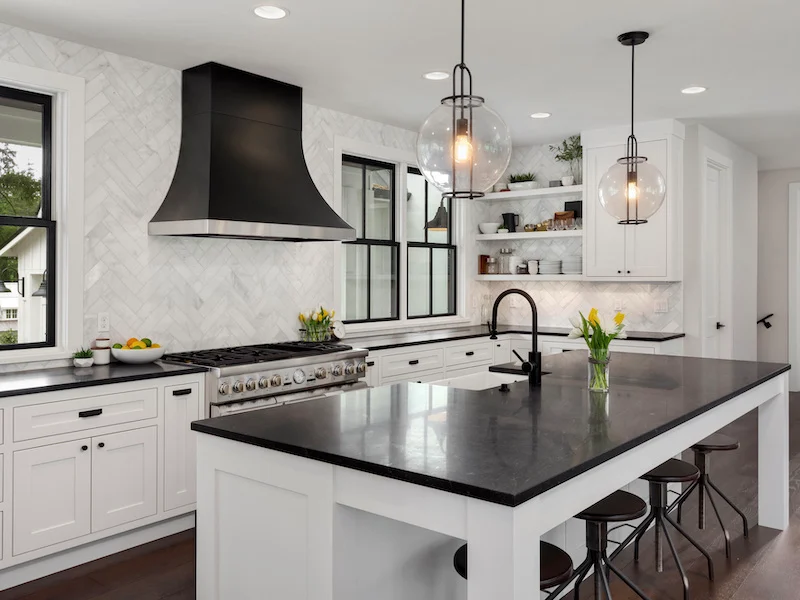
Selecting the right kitchen countertop material is one of the most important decisions in kitchen design. Countertops influence daily usability, maintenance requirements, visual appeal, and long-term durability. Because they serve as both a workspace and a focal design element, the material you choose should balance practicality with style.
Modern kitchens offer a wide range of countertop options, each with distinct advantages. Understanding how different materials perform helps homeowners choose surfaces that match their lifestyle, cooking habits, and budget expectations.
This guide explains how to evaluate countertop materials and select the best solution for long-term satisfaction.
Why Countertop Material Selection Matters
Kitchen countertops experience constant exposure to moisture, heat, cutting tools, and food preparation activity. Choosing the wrong material can lead to staining, scratching, or premature wear.
The right countertop material supports:
- Daily functionality
- Long-term durability
- Easy maintenance
- Visual harmony with cabinetry
- Improved home value
A well-chosen countertop becomes both a practical work surface and a defining design feature.
Factors to Consider Before Choosing a Countertop Material
Before selecting a material, evaluate how your kitchen is used on a daily basis.
Important considerations include:
- Cooking frequency
- Maintenance preferences
- Budget limitations
- Heat resistance needs
- Scratch resistance expectations
- Overall kitchen design style
Understanding these priorities helps narrow down the most suitable options.
Quartz Countertops for Low Maintenance and Durability
Quartz countertops are among the most popular choices in modern kitchens because they combine durability with consistent appearance.
Quartz surfaces are engineered using natural stone particles and resins, creating a strong and non-porous material.
Key advantages include:
- High resistance to stains
- Minimal maintenance requirements
- Wide color availability
- Uniform surface patterns
- Strong scratch resistance
Because quartz does not require sealing, it is ideal for homeowners seeking convenience and reliability.
Quartz works especially well in busy households where frequent cleaning is necessary.
Granite Countertops for Natural Strength and Character
Granite remains one of the most recognized natural countertop materials. Each slab features unique patterns created by natural geological processes.
Granite offers several benefits:
- Excellent heat resistance
- Strong durability
- Unique natural appearance
- Long lifespan with proper care
- High resale appeal
Although granite requires periodic sealing, many homeowners appreciate its authenticity and visual depth.
Granite pairs well with both traditional and contemporary kitchen styles.
Marble Countertops for Timeless Elegance
Marble countertops are known for their refined appearance and smooth surface texture. They are often chosen for kitchens that emphasize classic design aesthetics.
Advantages of marble include:
- Elegant veining patterns
- Naturally cool surface for baking tasks
- Bright visual appearance
- Distinctive luxury appeal
However, marble is softer than granite and quartz, which means it requires more careful maintenance.
Homeowners who prioritize aesthetics over heavy-duty durability often prefer marble.
Butcher Block Countertops for Warmth and Versatility
Butcher block countertops introduce natural warmth into kitchen interiors. Made from solid wood strips bonded together, they create a comfortable and inviting workspace.
Benefits of butcher block surfaces include:
- Natural appearance
- Comfortable cutting surface
- Renewable material option
- Easy refinishing capability
- Compatibility with many kitchen styles
Regular sealing helps protect wood surfaces from moisture and staining.
Butcher block countertops work especially well in farmhouse and transitional kitchen designs.
Solid Surface Countertops for Seamless Integration
Solid surface materials offer a smooth and uniform appearance that supports modern kitchen aesthetics.
These countertops are made from synthetic materials designed for flexibility and durability.
Advantages include:
- Seamless installation possibilities
- Repairable surface scratches
- Non-porous structure
- Consistent color patterns
- Integrated sink compatibility
Solid surface countertops are practical choices for homeowners seeking simple maintenance and clean design lines.
Laminate Countertops for Budget-Friendly Flexibility
Laminate countertops remain a practical solution for homeowners working within limited budgets.
Modern laminate options offer improved durability and attractive finishes compared to earlier versions.
Benefits include:
- Affordable pricing
- Wide color selection
- Lightweight installation
- Easy replacement options
- Variety of texture styles
Laminate works well in kitchens where cost control is an important factor.
Recent design improvements allow laminate to mimic stone and wood appearances effectively.
Concrete Countertops for Industrial Style Kitchens
Concrete countertops are increasingly popular in modern and industrial-inspired interiors.
These countertops provide strong visual impact and customization flexibility.
Advantages include:
- Customizable shapes and finishes
- High durability
- Unique handcrafted appearance
- Compatibility with contemporary interiors
Concrete surfaces require sealing to prevent staining and moisture absorption.
They are ideal for homeowners seeking distinctive design statements.
Stainless Steel Countertops for Professional Functionality
Stainless steel countertops are widely used in professional kitchens because of their hygienic properties and durability.
Key benefits include:
- Excellent heat resistance
- Non-porous surface
- Easy cleaning
- Modern appearance
- Strong resistance to bacteria
Stainless steel complements contemporary and industrial kitchen designs effectively.
Its reflective surface also enhances lighting in compact kitchens.
Soapstone Countertops for Natural Soft Texture
Soapstone countertops offer a smooth matte finish and subtle natural character.
This material is less common but appreciated for its distinctive appearance.
Benefits include:
- Natural resistance to heat
- Non-porous structure
- Smooth tactile surface
- Aging character over time
Soapstone develops a deeper tone as it ages, creating a unique visual evolution.
It is suitable for homeowners seeking understated elegance.
Matching Countertop Materials with Kitchen Design Style
Selecting the right material involves aligning functionality with overall kitchen aesthetics.
Consider these combinations:
- Quartz for modern kitchens
- Granite for transitional interiors
- Marble for classic kitchens
- Butcher block for farmhouse styles
- Stainless steel for contemporary layouts
- Concrete for industrial environments
Matching materials with design themes improves visual harmony.
Consistency strengthens the overall kitchen experience.
Countertop Edge Profiles That Enhance Appearance
Edge profiles influence both safety and design impact.
Popular countertop edge styles include:
- Straight edges for minimalist kitchens
- Beveled edges for subtle detail
- Rounded edges for family-friendly environments
- Decorative edges for traditional kitchens
Edge selection should complement cabinetry and layout style.
Even small details contribute to a cohesive kitchen design.
Maintenance Requirements for Different Countertop Materials
Maintenance expectations vary significantly between materials.
Understanding these differences helps prevent long-term frustration.
Maintenance comparison overview:
- Quartz requires minimal upkeep
- Granite needs periodic sealing
- Marble requires careful cleaning habits
- Butcher block benefits from oil treatments
- Concrete needs protective sealing
- Stainless steel requires routine wiping
Selecting a material aligned with maintenance preferences improves satisfaction over time.
Consistency in care preserves appearance and durability.
Durability Considerations for Long-Term Performance
Durability is one of the most important factors when selecting a countertop material.
Consider:
- Resistance to heat exposure
- Resistance to scratches
- Resistance to staining
- Structural strength
- Repair possibilities
Evaluating these characteristics ensures your countertop performs reliably for years.
Long-term durability supports better investment value.
Budget Planning for Countertop Installation
Countertop pricing varies depending on material type, thickness, installation complexity, and customization level.
Budget-friendly options include:
- Laminate
- Solid surface materials
- Butcher block
Premium material categories include:
- Quartz
- Granite
- Marble
- Concrete
Setting a realistic budget helps narrow the selection process efficiently.
Balancing cost with performance ensures better long-term satisfaction.
Environmental Considerations When Choosing Countertops
Sustainability is becoming increasingly important in kitchen planning decisions.
Environmentally conscious options include:
- Reclaimed wood butcher block
- Recycled material countertops
- Long-lasting natural stone surfaces
- Locally sourced materials when available
Selecting durable materials reduces replacement frequency and environmental impact.
Sustainable choices support responsible home design.
Long-Term Value of Choosing the Right Countertop Material
Kitchen countertops influence both everyday usability and long-term property appeal.
Well-selected materials contribute to:
- Improved kitchen functionality
- Easier maintenance routines
- Enhanced interior aesthetics
- Stronger resale value
- Greater cooking comfort
Careful planning ensures your countertop remains a reliable and attractive feature for years.
Thoughtful selection supports both lifestyle needs and design goals.
Frequently Asked Questions
How thick should kitchen countertops typically be
Most countertops are available in standard thickness ranges between one and three centimeters depending on the material and design requirements.
Can different countertop materials be combined in one kitchen
Yes. Many kitchens combine materials such as quartz islands with butcher block prep areas to improve functionality and visual contrast.
Do darker countertops make kitchens look smaller
Darker countertops can create visual depth when balanced with lighter cabinetry and proper lighting.
Is it safe to place hot cookware directly on countertops
Heat resistance depends on the material. Granite and stainless steel handle heat better than laminate and solid surface materials.
How long do kitchen countertops usually last
Natural stone and engineered surfaces can last several decades when properly maintained.
Are matte countertops better than polished finishes
Matte finishes reduce glare and hide fingerprints more easily, while polished finishes reflect more light and highlight patterns.
What countertop material works best for busy family kitchens
Quartz is often preferred for busy households because it offers durability, low maintenance requirements, and consistent appearance.